

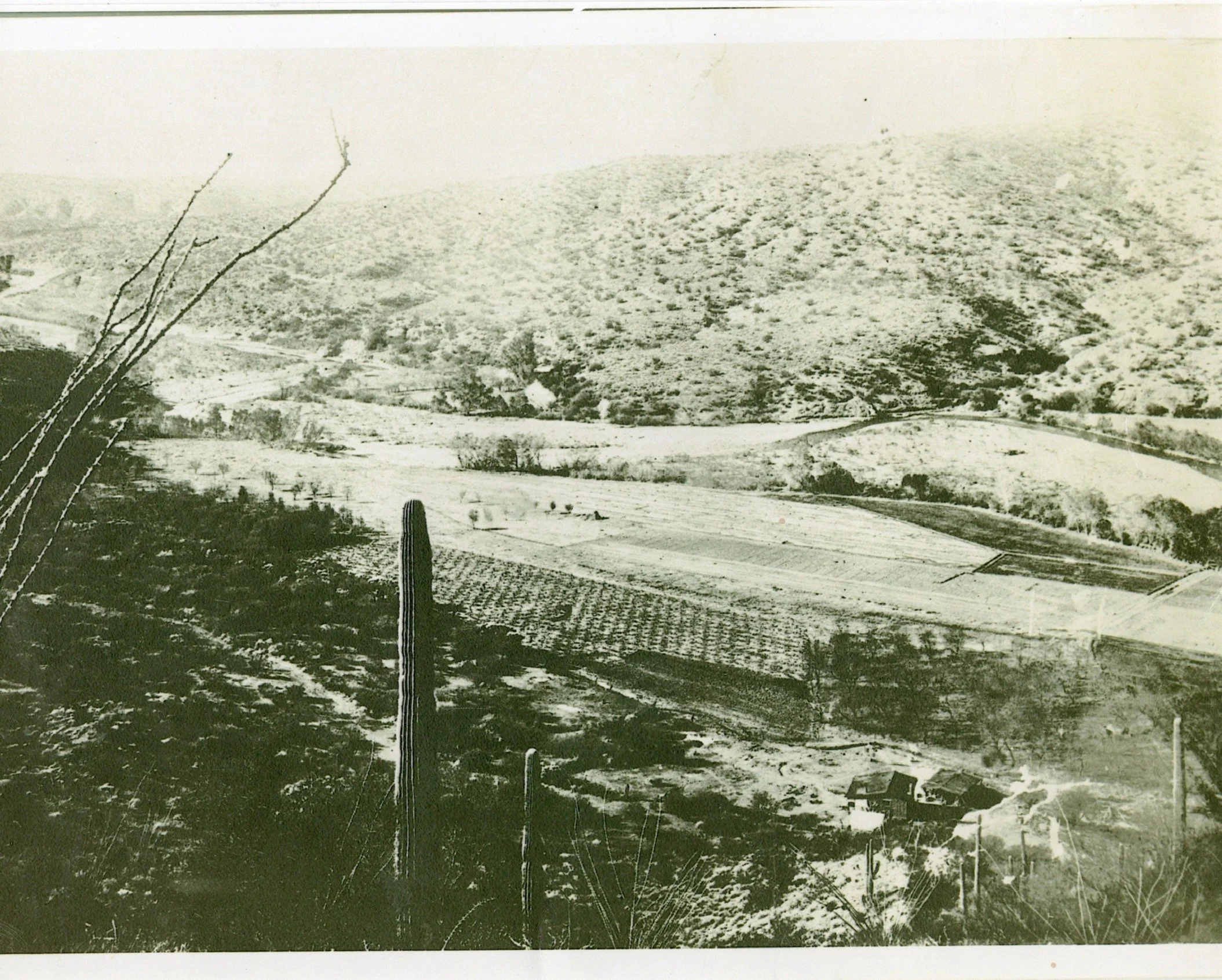
Aravaipa Farms is part of a much longer story. For thousands of years, people have lived, traveled, gathered and cultivated food along Aravaipa Creek. The land surrounding the farm has seen generations of agriculture, ranching and settlement, while the property itself has evolved from an early creek-bottom farm to an Arabian horse ranch, a large-scale fruit orchard and, eventually, the inn guests know today.
The Timeline
-
![]()
Early Aravaipa Farms
the name Aravaipa Farms appears on maps as early as 1949, but the agricultural history of this land reaches farther back. long before the modern orchard took shape, the property and surrounding creek bottom were cultivated and irrigated along Aravaipa Creek. Through the mid-20th century, the farm changed hands and uses, including a period as a horse ranch, before entering a new chapter with the Farney family in the 1980s.
-
![]()
1970s — the horse ranch era
In the 1970s, the Wilson family operated Aravaipa Farms as an Arabian horse ranch. That era left a lasting imprint on the property, including the former horse barn that now houses the Garden and Mountain Casitas.
-
![A family portrait of four people, including a man with a mustache wearing a sweater, a woman with black hair wearing a dress, and two children with curly hair and light skin, smiling and posing together.]()
1984-1995
BILL FARNEY’S VISION
In 1984, Bill Farney, drawing from his family’s California orchard experience, planted over 2,000 Asian pear, peach, and apricot trees in the scenic Aravaipa Canyon.
A pioneer of organic farming, Bill tended to the land until 1995, when he sold the farm to Carol Steele, the "Godmother of the Phoenix culinary scene." Even after the sale, Bill remained deeply involved with the orchard, offering his advice and expertise on its stewardship until his passing in 2018.
-
![A watercolor painting of a woman wearing a wide-brimmed hat, smiling, with a colorful, abstract background.]()
1995-2016
CAROL STEELE’S DREAM
Carol Steele envisioned a farm-to-table experience in a remote canyon inn. She partnered with artisan Lazaro Cervantes to construct the casitas and outbuildings, creating welcoming spaces for guests to enjoy meals made from fresh, farm-grown ingredients. Her dedication attracted visitors from around the globe, leaving an indelible mark on all who visited.
After two decades, carol sold the property in 2016, closing an era that established aravaipa farms as the orchard inn many guests came to know.
-
![A smiling middle-aged man wearing a large straw hat and a white collared shirt outdoors with a blurred background of trees and greenery.]()
2016-2021
THE MADDEN YEARS
In 2016, the Madden family took on the restoration of the orchard and inn, breathing new life into the property while preserving the farm-to-table spirit established in the years before. during their time here, they invested in the land, lodging and guest experience, helping carry Aravaipa Farms into its next chapter.
-
![]()
2021-present
A NEW CHAPTER
in 2021, aravaipa farms entered its current chapter under new ownership. today, the property continues as a working orchard and desert inn, cared for by a small on-site team focused on preserving its history, maintaining the land and creating a welcoming place for guests to experience aravaipa canyon.


Land Acknowledgment
Aravaipa Farms sits within a landscape that has been home to Indigenous peoples for thousands of years. We recognize the enduring connection of the Aravaipa Apache and other Indigenous communities to this land, and we honor the generations who have lived, traveled, gathered, and cared for the Aravaipa watershed.
Thousands of Years in Aravaipa
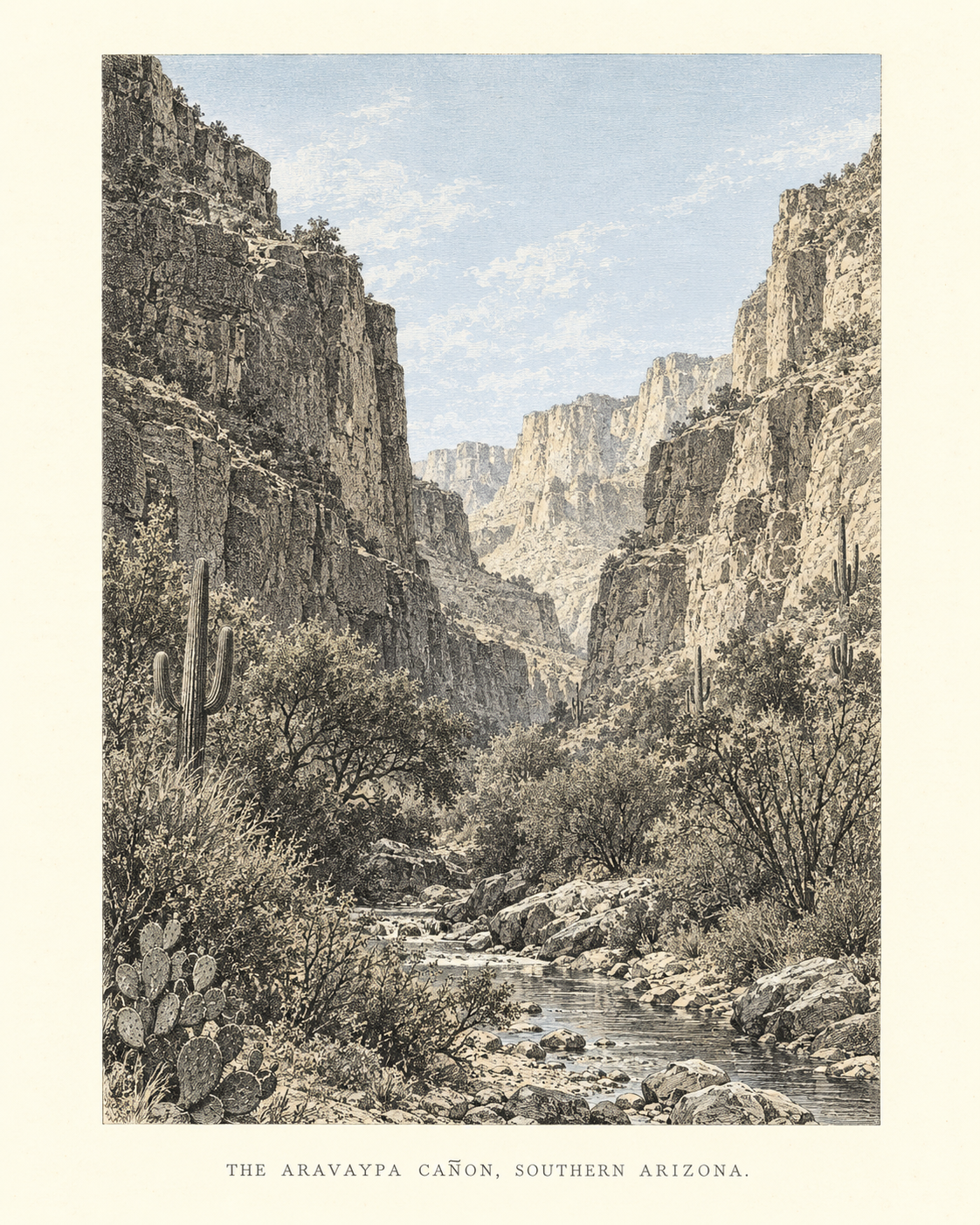
Aravaipa Canyon is more than a stunning natural wonder—it is a living landscape shaped by thousands of years of human history.
Traces of the people who have called this canyon home remain throughout the landscape, from ancient agricultural sites to more recent ranches and homesteads. Many of these places are culturally significant and irreplaceable; please explore thoughtfully and leave what you find undisturbed.

Early Peoples of Aravaipa
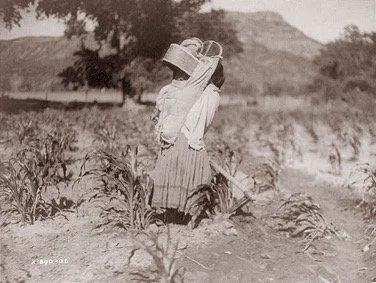
The Aravaipa watershed has been home to people for more than 9,500 years, beginning with hunters and gatherers during the Archaic Period. Later, Mogollon, Hohokam and Salado peoples lived and farmed throughout the region. With little room for large-scale agriculture in the narrow canyon, communities relied on a combination of farming, hunting, fishing and gathering native plants such as mesquite, agave, saguaro and prickly pear.
The Salado and Turkey Creek Cliff Dwelling
By about 1450, the Salado had left the canyon, but traces of their presence remain. One of the best-preserved examples is the Turkey Creek cliff dwelling, about 14 miles south of the east wilderness entrance and believed to date to around 1300 AD. A trail leads to the site; visitors are asked to protect this irreplaceable place by viewing the structure without climbing on its walls.
The Aravaipa Apache
By the mid-1800s, the Aravaipa Apache were well established in Aravaipa Canyon and the surrounding valleys between the Galiuro and Pinaleño mountains. Their lives followed the seasons, combining hunting and gathering with small-scale agriculture. Foods included mescal, mesquite beans, saguaro fruit, piñon nuts and acorns, along with crops grown near their homes.
A Strategic Corridor: Spanish and Anglo Influence
During the colonial era, Spanish and Anglo settlers used Aravaipa Canyon as a travel route between Tucson and the Gila Valley. At the same time, the Apache used the canyon for raiding routes into Sonora. The Sobaipuri people, living to the west of the San Pedro River, provided a buffer for the Spanish against Apache raids. However, by 1762, the Apache raids became so frequent and severe that the Sobaipuri left the area, joining the Pima at San Xavier Mission in Tucson.
Camp Grant and the Apache Conflict
As tensions with the Apache intensified, Camp Grant was established in 1856 at the junction of the San Pedro River and Aravaipa Creek. In 1871, the Apache, led by Chief Eskiminzin, agreed to stop their raids and settle near the camp, seeking protection under U.S. military oversight. However, that same year, the infamous Camp Grant Massacre occurred on April 30, when a group of Tucson citizens, Mexican Americans, and Tohono O’odham people attacked the Apache camp. The attackers killed 144 Apaches, primarily women and children, in a brutal surprise assault, leaving the men, who were out hunting, unable to defend their families.
Following the massacre, Camp Grant was moved to the south side of Mount Graham in 1872. Soon after, around 1,500 Aravaipa and Pinal Apache were forcibly marched to the San Carlos Apache Reservation. The journey was grueling, and many died from exposure, malnutrition, and illness. The Apache were confined to the San Carlos Reservation, where conditions were harsh and their way of life disrupted, a stark contrast to the fertile, water-rich environment of Aravaipa Canyon. The massacre remained largely unacknowledged for many years, but in the 1990s, efforts to recognize the tragedy began, including a formal apology from Tucson residents in 1996 and the return of a victim’s skull to the Aravaipa Apache in 2013.
The Arrival of Settlers and Growth of Aravaipa
In the 1870s, Anglo and Hispanic settlers began arriving in Aravaipa Canyon, attracted by opportunities in mining, farming, and ranching. With the end of Apache hostilities, settlement increased in the 1890s, driven by short-term mining booms. The village of Klondyke grew into a central hub for the region, surrounded by ranches, farms, and mining ventures, and became the main distribution point for the eastern part of Aravaipa Canyon.

